John MacGyver
Apr 9, 2026

Credit cards are powerful financial tools that offer rewards, fraud protection, and credit-building opportunities when used responsibly by paying balances in full each month, but they can lead to expensive debt traps through high interest rates if you carry balances or overspend beyond your means.
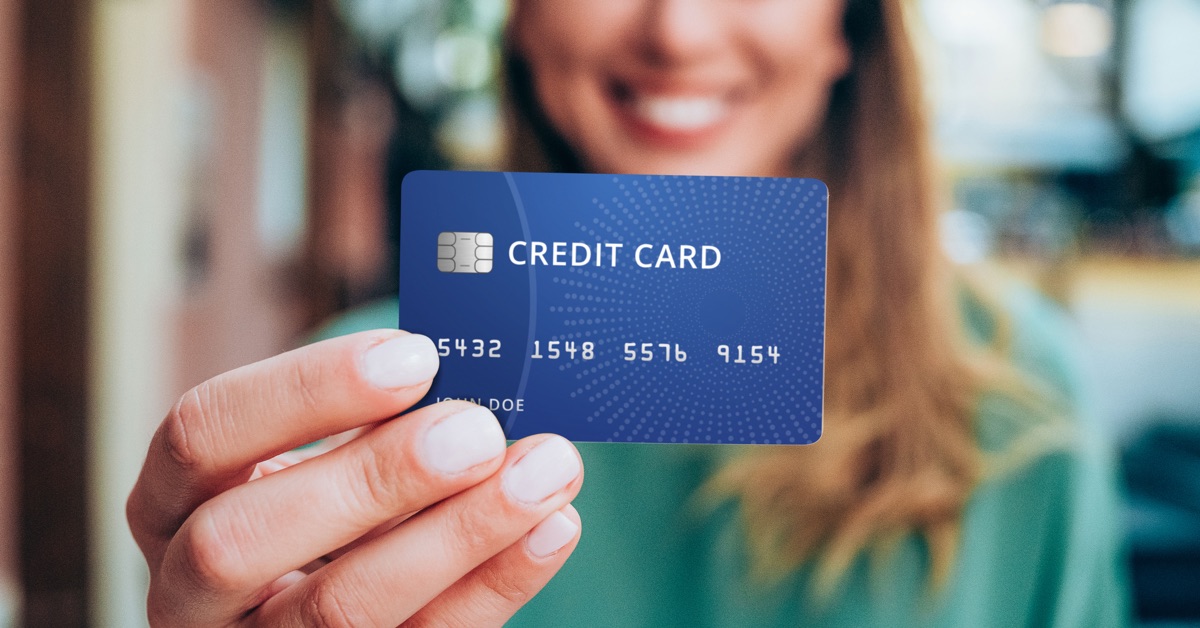
Credit cards are one of the most powerful financial tools you can use, but they're also one of the easiest ways to wreck your finances if you don't know what you're doing. After spending 12 years in consumer finance, I've learned that the difference between credit cards helping you or hurting you comes down to understanding how they actually work.
This guide covers everything you need to know about credit cards, from the basics of how they function to advanced strategies for maximizing rewards. Whether you're applying for your first card or optimizing a wallet full of them, you'll find what you need here.
A credit card is a payment card that lets you borrow money from a bank to make purchases. Unlike a debit card that pulls money directly from your checking account, a credit card gives you a line of credit that you pay back later.
Here's the basic flow: you swipe your card at a store, the card issuer (usually a bank like Chase or Capital One) pays the merchant on your behalf, and then you owe that money to the bank. At the end of each month, you get a statement showing everything you charged. You can either pay the full balance or make a minimum payment and carry the rest forward.
If you pay your full balance by the due date, you don't pay any interest. If you carry a balance, you get charged interest, which is where most people get into trouble.
There are actually four parties involved every time you use a credit card, and understanding this helps explain why rewards exist and where fees come from.
The cardholder is you. You're using the card to make purchases.
The merchant is the business where you're shopping. They accept credit cards because it increases sales, even though they have to pay fees to do so.
The card issuer is the bank that gave you the credit card. Chase, Bank of America, Capital One, and American Express are all card issuers. They're the ones extending you credit and collecting interest if you carry a balance.
The payment network processes the transaction. Visa, Mastercard, American Express, and Discover are the main networks. They're the infrastructure that moves money between banks and verifies transactions happen securely.
When you buy something, the merchant pays a fee (usually 2-3% of the transaction) that gets split between the card issuer, the payment network, and sometimes the merchant's bank. That fee is what funds your rewards points, cash back, and all the other perks cards offer.
Not all credit cards are created equal. The type of card you should get depends on your credit score, spending habits, and what you're trying to accomplish.
These cards give you a percentage of your spending back as cash. Some offer flat rates like 2% back on everything. Others have rotating categories that change every quarter, like 5% back on gas one quarter and groceries the next. Some have bonus categories that stay the same, like 3% on dining and 2% on gas.
Cash back cards are straightforward. You spend money, you get money back. No complicated point systems, no worrying about redemption values. If you want simplicity and you don't want to think too hard about maximizing value, cash back cards are usually your best bet.
The best cash back cards right now include the Citi Double Cash (2% back on everything), Chase Freedom Unlimited (1.5% back on everything plus 5% on travel through Chase), and the Discover it Cash Back (5% rotating categories plus 1% on everything else).
Travel cards earn points or miles that you can redeem for flights, hotels, and other travel expenses. The value you get per point varies wildly depending on how you redeem them.
Some travel cards are tied to specific airlines or hotel chains. The Delta SkyMiles card earns Delta miles, the Marriott Bonvoy card earns Marriott points, and so on. These cards make sense if you're loyal to one brand and you travel with them frequently.
Other travel cards earn flexible points that you can transfer to multiple airline and hotel partners. The Chase Sapphire Reserve and Capital One Venture X are examples. These cards give you more options but require more research to maximize value.
Travel cards typically offer the highest rewards potential, but only if you actually travel and you're willing to learn the redemption systems. If you take one trip a year and you just want to book the cheapest flight, a simple cash back card will probably serve you better.
These cards offer 0% interest on balances you transfer from other cards, usually for 12-21 months. The point is to help you pay down existing debt without accumulating more interest charges.
Most balance transfer cards charge a fee of 3-5% of the amount you transfer. So if you move $5,000 to a card with a 3% fee and 18 months of 0% interest, you'll pay $150 upfront but then have a year and a half to pay off that balance interest-free.
This only makes sense if you have a plan to actually pay off the debt during the promotional period. If you're just kicking the can down the road, you're wasting the balance transfer fee and you'll end up back where you started when the 0% period ends.
These cards focus on offering low ongoing interest rates rather than rewards. Some offer 0% interest for an introductory period (usually 12-18 months) on new purchases, which can be useful if you're making a large purchase you want to pay off over time without interest charges.
After the intro period ends, these cards typically have lower ongoing interest rates than rewards cards. If you know you'll carry balances sometimes, a low interest card costs you less than a rewards card where the interest charges will dwarf any rewards you earn.
The problem is that if you're carrying balances regularly, you probably shouldn't be focused on credit cards at all. You should be focused on getting out of debt.
Business cards are designed for business expenses and come with features like higher credit limits, employee cards with spending controls, and expense management tools. They also offer rewards structures tailored to business spending, like bonus categories for office supplies, internet services, or advertising.
One major difference with business cards is that most don't report to personal credit bureaus unless you default. This means they won't help build your personal credit score, but they also won't hurt your credit utilization ratio.
You don't need to have an LLC or formal business structure to get a business card. Sole proprietors and freelancers qualify. The application asks for your business revenue, and even if you're just doing side work, that counts.
Secured cards require a cash deposit that becomes your credit limit. If you put down $500, you get a $500 credit limit. These cards are designed for people with bad credit or no credit history who can't qualify for regular cards.
You're not spending your deposit when you use the card. The deposit just sits there as collateral in case you don't pay your bill. After 6-12 months of on-time payments, most issuers will convert your secured card to a regular unsecured card and return your deposit.
Secured cards are a stepping stone, not a destination. The goal is to build credit history so you can graduate to better cards with rewards and no deposit requirement.
Student cards are starter cards with lower credit limits and easier approval requirements designed for college students with limited credit history. They usually offer modest rewards and sometimes include perks like statement credits for good grades or free credit score monitoring.
The credit limits are typically $500-2,000 to start, which is fine for building credit but not enough to fund a lifestyle. That's intentional. These cards are training wheels.
If you're a student with no credit history, a student card is usually easier to get approved for than a regular card. If you have some credit history already (maybe you're an authorized user on a parent's card), you might qualify for a regular rewards card instead, which would be better.
Picking a credit card isn't about finding the "best" card. It's about finding the best card for your situation.
Your credit score determines which cards you can actually get approved for. There's no point falling in love with a premium travel card that requires excellent credit if you're sitting at 620.
Cards for excellent credit (740+) include premium rewards cards, most travel cards, and the best cash back cards. Cards for good credit (670-739) include solid rewards cards with slightly lower bonuses and maybe an annual fee. Cards for fair credit (580-669) include some basic rewards cards and secured cards. Cards for poor credit (under 580) are mostly secured cards and cards with high fees and low benefits.
You can check your credit score for free through your bank, Credit Karma, or dozens of other services. Don't pay for this information. It's available for free everywhere now.
Look at where you actually spend money. If you spend $800 a month on groceries, a card with 4% back on groceries is worth $384 a year in rewards. If you spend $200 a month on gas, 3% back on gas is worth $72 a year.
The mistake people make is choosing cards based on sign-up bonuses rather than ongoing rewards in their actual spending categories. A 60,000 point sign-up bonus sounds impressive, but if the card earns 1% in your main spending categories and another card earns 3%, the lower bonus card will earn you more money within a year.
Run the math on your actual spending. Don't guess. Look at the last three months of bank and credit card statements and see where your money actually goes.
Some of the best credit cards charge annual fees ranging from $95 to $695. Whether these fees are worth it depends on how much you'll use the card's benefits.
A card with a $95 annual fee that earns you $300 in rewards is a no-brainer. A card with a $550 fee that comes with $300 in travel credits, airport lounge access, and elevated rewards only makes sense if you'll actually use those benefits.
The premium travel cards with high annual fees (Chase Sapphire Reserve, Amex Platinum, Capital One Venture X) come loaded with perks, but most people don't extract enough value to justify the cost. Be honest about whether you'll use airport lounges, whether you'll spend enough to hit the bonus categories, and whether the travel credits work for how you actually travel.
If you're not sure, start with a no annual fee card. You can always upgrade later.
Sign-up bonuses are the fastest way to earn a large chunk of rewards, but they're not everything. A card with a huge bonus but weak ongoing rewards might be worse than a card with a smaller bonus but better long-term earning rates.
Most sign-up bonuses require minimum spending within the first three months, like "spend $4,000 in 3 months, earn 60,000 points." Make sure you can hit the spending requirement naturally. Don't manufacture spending just to get a bonus. That's a recipe for buying things you don't need.
Also pay attention to what those points are actually worth. 60,000 points worth 1 cent each is $600. 60,000 points worth 2 cents each when redeemed for travel is $1,200. The number of points matters less than their value.
Your credit score is a three-digit number that represents how risky you are to lend money to. Credit cards are one of the main factors that determine your score, for better or worse.
Payment history (35% of your score) is the most important factor. Paying on time every month helps your score. Missing payments destroys it. One late payment can drop your score by 100 points and stay on your report for seven years.
Credit utilization (30% of your score) is how much of your available credit you're using. If you have a $10,000 credit limit and you're carrying a $3,000 balance, you're at 30% utilization. Lower is better. Keeping utilization under 30% is good. Under 10% is even better.
Length of credit history (15% of your score) measures how long you've had credit accounts open. Older accounts help your score. This is why you shouldn't close your oldest credit card unless you have a good reason.
Credit mix (10% of your score) looks at whether you have different types of credit like credit cards, auto loans, and mortgages. Having a mix helps slightly, but don't take out loans you don't need just to improve your credit mix.
New credit inquiries (10% of your score) tracks how many times you've applied for credit recently. Each application creates a hard inquiry that dings your score by a few points. Too many inquiries in a short time looks risky to lenders.
The strategy for building credit with cards is simple: use the card for small purchases, pay the full balance every month, and keep your utilization low.
You don't need to carry a balance to build credit. This is a myth that costs people thousands in unnecessary interest charges. Paying your balance in full every month builds credit just as effectively as carrying a balance, and it doesn't cost you anything.
If you're starting from scratch, get a secured card or a student card, use it for one or two regular purchases each month (like gas or groceries), set up autopay to pay the full balance, and let time do its work. After 6-12 months, you'll have enough credit history to qualify for better cards.
Closing old credit cards hurts your score in two ways. It reduces your total available credit (which increases your utilization percentage), and it eventually removes old accounts from your credit history (which shortens your average age of accounts).
Maxing out credit cards tanks your score. If you're using 90% or more of your available credit, your score will drop significantly even if you're paying on time. High utilization is a red flag that you might be overextended.
Applying for multiple cards in a short period racks up hard inquiries and makes you look desperate for credit. If you're card shopping, do all your applications within a 14-30 day window so they get grouped together and count as a single inquiry for mortgage scoring purposes.
Credit cards come with various fees and charges that can add up quickly if you're not careful. Understanding these costs helps you avoid them or at least know what you're getting into.
APR is the interest rate you pay if you carry a balance from month to month. Most credit cards have variable APRs that range from about 16% to 29%, depending on your creditworthiness.
Here's what people don't realize: credit card interest compounds daily, not monthly or yearly. If you have a 20% APR, your daily interest rate is about 0.055%. That gets calculated on your balance every single day, and then the next day it's calculated on your balance plus yesterday's interest.
This is why carrying balances is so expensive. A $5,000 balance at 20% APR costs you about $1,000 per year in interest if you only make minimum payments. That $5,000 debt can take 15+ years to pay off at minimum payments.
The APR doesn't matter at all if you pay your full balance every month, because you never pay interest. The APR only matters if you carry balances, in which case you probably shouldn't be focused on rewards cards anyway.
Annual fees range from $0 to $695. Cards with no annual fee are great if you're not a heavy card user or you just want something simple. Cards with annual fees usually offer better rewards or valuable perks that can offset the cost.
The question to ask is simple: will I get more value from this card's rewards and benefits than the annual fee costs? If yes, the fee is worth it. If no, get a different card.
Some annual fees are waived the first year, which gives you time to test whether the card works for you before you have to pay.
Most credit cards charge 2-3% on purchases made in foreign currencies. If you buy something in euros or yen, you pay an extra fee on top of the purchase price.
Travel cards usually don't charge foreign transaction fees. If you travel internationally even once a year, getting a card with no foreign transaction fee saves you money. This is one of the easiest ways to cut costs when traveling.
Balance transfer fees are typically 3-5% of the amount you transfer. Moving $10,000 to a 0% APR card with a 3% balance transfer fee costs you $300 upfront.
You need to do the math to see if this makes sense. If you're paying 20% interest on $10,000, that's $2,000 per year in interest. Paying $300 to get 18 months interest-free to pay down that debt saves you money as long as you actually pay down the debt during the promotional period.
Cash advances are when you use your credit card to get cash from an ATM. Don't do this. Ever.
Cash advance fees are usually 3-5% or $10, whichever is greater. Cash advances also start accumulating interest immediately with no grace period, and the APR is usually higher than your purchase APR. It's one of the most expensive ways to access money.
If you need cash that badly, you have bigger financial problems that a credit card won't solve.
Late payment fees are up to $41 if you've been late before, $32 for your first late payment. You also get hit with penalty APRs (often 29.99%) if you're 60+ days late, and your credit score takes a significant hit.
Set up autopay for at least the minimum payment to avoid this. Even if you can't pay the full balance, paying at least the minimum on time keeps you out of penalty territory.
Rewards are why most people care about credit cards in the first place. The key is understanding how different rewards programs work and picking the one that matches how you actually spend money.
Cash back is the simplest. You earn a percentage back on purchases, and you get actual cash (or a statement credit, which is the same thing). 2% cash back means $2 back for every $100 you spend. No complexity, no redemption strategies.
Points are more flexible but more complicated. Some points are worth 1 cent each (so 100 points equals $1). Other points can be worth much more when redeemed for travel or transferred to airline partners. Chase Ultimate Rewards, American Express Membership Rewards, and Capital One miles are all points systems with variable value.
Miles are similar to points but they're often tied to specific airlines or hotel chains. Delta SkyMiles, United MileagePlus, and Marriott Bonvoy points are all examples. These miles typically can't be transferred or used outside their ecosystem.
The general rule is that cash back is easier and more predictable, while points and miles offer higher potential value if you're willing to learn the systems and you travel enough to take advantage.
If you don't travel much or you just want simplicity, stick with cash back. You'll earn less potential value than points/miles experts, but you also won't waste time researching redemptions or let points expire.
If you travel several times a year and you're willing to learn how points transfers work, travel rewards cards offer better returns. A good travel rewards strategy can get you 2-3 cents per point of value, sometimes more on business class flights or luxury hotels.
If you're somewhere in between, consider flexible points that can be redeemed as cash OR transferred to travel partners. Chase Ultimate Rewards and Capital One miles both offer this flexibility. You get the simplicity of cash back with the option to maximize value through travel when it makes sense.
The simple strategy is to get one good cash back card that earns at least 1.5-2% on everything. Use it for all your spending. Done. You're earning rewards without thinking about it.
The category maximizer strategy involves using multiple cards to maximize rewards in different spending categories. One card for dining, another for gas, another for groceries, and a catch-all card for everything else. This requires tracking which card to use where, but it can boost your total rewards from 2% to 3-4% across your spending.
The travel hacker strategy focuses on accumulating flexible points that can be transferred to airline and hotel partners. You use transfer bonuses and sweet spots in award charts to get outsized value. This is the most complex approach but offers the highest potential returns if you travel frequently and you're willing to put in the work.
Most people are best served by the simple strategy or the category maximizer strategy. Travel hacking is a hobby that requires ongoing learning and attention. If that sounds fun, go for it. If it sounds like work, don't bother.
Redeeming points for gift cards or merchandise almost always gives you worse value than cash back or travel. Points that are worth 1 cent each when redeemed for travel might only be worth 0.5-0.7 cents when redeemed for Amazon gift cards. It's a terrible deal.
Letting points expire is just giving away money. Most points don't expire as long as you have account activity, but some programs (looking at you, airline miles) have expiration policies. Keep track of what you have and use it before you lose it.
Paying annual fees on cards you don't use enough to justify the cost is a waste. If you're paying $95 per year for a card but you only earned $50 in rewards, you're losing money. Either use the card more or downgrade to a no-fee version.
Getting approved for a credit card isn't automatic, even if you have good credit. Understanding how issuers evaluate applications helps you avoid rejections.
Issuers want to know if you'll use the card and if you'll pay them back. They look at your credit score, your income, your existing debt, and your history with that particular issuer.
Your credit score is the starting point. Below the issuer's threshold, you're automatically rejected. Above the threshold, they look at other factors.
Your income relative to your existing credit limits matters. If you already have $50,000 in available credit across all your cards and you make $60,000 per year, issuers might be hesitant to extend you more credit.
Your payment history with that specific bank matters. If you've had three Chase cards that you paid on time for years, Chase is more likely to approve you for a fourth card than if you'd never had a Chase card before.
Apply for cards that match your credit profile. Don't waste applications on premium cards that require excellent credit if you're sitting at 680. Look at the issuer's published credit score ranges or read approval data points on credit card forums.
Apply when your credit report looks its best. If you just paid down all your credit card balances and your utilization dropped from 40% to 5%, that's a good time to apply. If you're carrying high balances, wait until you pay them down.
Don't apply for multiple cards on the same day unless you're specifically churning sign-up bonuses and you know what you're doing. Multiple applications in a short time frame looks desperate and reduces approval odds.
If you get rejected, don't immediately apply for another card. Each application creates a hard inquiry on your credit report, and too many inquiries hurt your score.
Call the reconsideration line. Every major issuer has a phone number where you can talk to a person about your application. Sometimes they'll ask for additional information or documentation and approve you on the spot. Other times they'll explain exactly why you were rejected, which helps you fix the problem before your next application.
Common reasons for rejection include too many recent inquiries, high credit utilization, insufficient income, or too many existing accounts with that issuer. Fix whatever the reason was before applying again.
Different issuers have different rules about how many cards they'll approve you for and how quickly.
Chase has the 5/24 rule, which means if you've opened five or more personal credit cards (from any issuer) in the past 24 months, Chase will automatically reject you for most of their cards. This includes business cards in some cases.
American Express has various velocity limits and tends to deny you if you've opened too many Amex cards recently, though the exact thresholds aren't public.
Capital One pulls all three credit bureaus when you apply, while most issuers only pull one or two. This doesn't hurt your score more, but it means if you have negative marks on any of your reports, Capital One will see them.
Understanding these rules helps you plan which cards to apply for and in what order.
Credit cards are actually one of the safer ways to pay for things, assuming you know how to use them properly and you understand your protections.
If someone steals your credit card number and makes fraudulent charges, you're not liable for those charges under federal law. Your maximum liability is $50, but most issuers have zero liability policies that mean you don't pay anything.
This is very different from debit card fraud, where money is stolen directly from your bank account and you might not get it back for weeks while the bank investigates.
When you dispute a fraudulent charge, the issuer typically removes it from your account immediately while they investigate. If the investigation finds the charge was legitimate, they can add it back, but you're not paying for disputed charges while the investigation is happening.
Don't give your credit card number to anyone over the phone unless you initiated the call. Scammers pose as legitimate companies and ask for your card information. If you need to make a payment, hang up and call the company's official number yourself.
Use credit cards for online shopping instead of debit cards. If a website gets hacked and your card information is stolen, it's the bank's money at risk until the fraud investigation completes, not yours.
Check your statements regularly. Most fraud gets caught because cardholders notice charges they didn't make. The sooner you report fraud, the easier it is to resolve. Most issuers have mobile apps that send notifications for every transaction, which makes fraud detection almost instant.
Don't save your credit card information on sketchy websites. Major retailers like Amazon are fine. Random small stores you've never heard of are risky. If the website doesn't use HTTPS (look for the lock icon in your browser), don't enter your card information at all.
Call your issuer immediately to report the card as stolen. They'll cancel the card, send you a new one with a new number, and remove any fraudulent charges. This typically takes 3-5 business days for the new card to arrive.
Most issuers let you temporarily lock your card through their mobile app if you think it might be lost but you're not sure yet. This prevents new charges while you look for the card without fully canceling it.
Monitor your credit reports after a card is compromised. If someone has your card information, they might try to open new accounts in your name. You can freeze your credit reports for free at all three bureaus (Equifax, Experian, TransUnion) to prevent new accounts from being opened without your permission.
Once you understand the basics, there are more sophisticated strategies that can extract additional value from credit cards. These aren't necessary for most people, but if you're interested in optimization, here's what's possible.
Manufactured spending is finding ways to put charges on your credit card that you then convert back to cash without actually spending money. The goal is to earn rewards or hit sign-up bonus thresholds without real spending.
Common methods include buying money orders with credit cards and depositing them, buying prepaid debit cards and liquidating them, or using payment services that allow credit card funding but give you cash or equivalent value.
This is a cat-and-mouse game with card issuers. Methods that work get shut down regularly. It's also against the terms of service for most cards, so if you get caught, you risk having your account closed and losing your rewards.
I'm not recommending you do this. I'm just explaining it exists because you'll see people talking about it online.
Churning is opening credit cards for sign-up bonuses, using them long enough to get the bonus, and then either closing them or downgrading them to no-fee versions before moving on to the next card.
Done strategically, you can earn tens of thousands of dollars in sign-up bonuses per year. The record holders in this space open 20-30+ cards per year and earn $30,000-50,000 in travel value annually.
The downsides are that it requires significant organizational overhead, it creates lots of hard inquiries on your credit report, and it requires meeting minimum spending requirements across multiple cards simultaneously. It's essentially a part-time job if you're doing it seriously.
Most people are better off picking 2-3 good cards and using them consistently rather than churning through dozens of cards per year.
Adding someone as an authorized user on your credit card can help them build credit history, especially if your card has a long positive payment history and low utilization.
The authorized user gets the full history of that card added to their credit report in most cases, which can significantly boost their score if they have limited credit history. This is common with parents adding kids as authorized users to help them start with good credit.
The risk is that if the primary account holder misses payments or maxes out the card, that negative information also gets reported to the authorized user's credit report. Choose carefully who you add as an authorized user and who you agree to be an authorized user for.
Balance transfer arbitrage is taking advantage of 0% APR balance transfer offers to borrow money interest-free and invest it in savings accounts or other low-risk investments.
You transfer a balance to a 0% APR card, pay the 3-5% balance transfer fee, and then invest the money in a high-yield savings account earning 4-5% interest for the duration of the promotional period. At the end, you pay off the balance and keep the interest you earned.
The profit on this is small (maybe 1-2% of the amount after accounting for fees), and it requires perfect execution. If you forget to pay off the balance before the promotional period ends, you get hit with back interest and lose all your gains.
This was more popular 15 years ago when balance transfer offers were easier to find and savings rates were higher. Today, the effort isn't usually worth the return unless you're doing it with large amounts like $50,000+.
There's a lot of bad information floating around about credit cards. Let's clear up the most common myths.
This is completely false and it costs people thousands of dollars in unnecessary interest charges. Paying your full balance every month builds credit just as effectively as carrying a balance.
Your payment history and utilization ratio are what matter for your credit score. Both of these are tracked regardless of whether you carry a balance. The myth probably started because people confuse "using your card" with "carrying a balance." You do need to use your card to build credit, but you don't need to carry a balance.
Closing credit cards usually hurts your credit score, not helps it. When you close a card, you lose that available credit, which increases your utilization ratio on your remaining cards. You also eventually lose the account age from your credit history when it ages off your report (7-10 years after closing).
The only time closing a card makes sense is if it has a high annual fee you're not getting value from and you already have other cards with long histories. Even then, most issuers will let you downgrade to a no-fee version instead of closing, which is better for your credit score.
Credit cards are tools. Like any tool, they can be used well or poorly. The card itself isn't dangerous. Poor financial habits are dangerous, and credit cards can amplify those poor habits.
If you can't trust yourself not to overspend, then yes, credit cards might be risky for you. But for people who pay their bills on time and don't spend money they don't have, credit cards offer rewards, fraud protection, and convenience with no downside.
This is exactly backwards. Credit cards offer significantly better fraud protection than debit cards. With a credit card, fraudulent charges are the bank's problem until the investigation completes. With a debit card, the money is gone from your account immediately, and you're hoping the bank gives it back after they investigate.
Credit cards also offer purchase protection, extended warranties, and other benefits that debit cards don't have. The only advantage of debit cards is that they prevent you from spending money you don't have, which matters if you struggle with impulse control.
Rewards only make sense if you're not paying interest or fees. If you're carrying balances and paying 20% APR, the 2% cash back you're earning doesn't come close to offsetting the interest charges.
Rewards also don't justify buying things you wouldn't otherwise buy. If you spend an extra $100 to earn $2 in cash back, you didn't make $2, you lost $98. Only put purchases on your credit card that you would make anyway with cash or debit.
Credit cards are powerful financial tools that can help you build credit, earn valuable rewards, and protect your purchases. They can also get you into serious financial trouble if you use them irresponsibly.
The key to using credit cards successfully is simple: spend only what you can afford to pay off in full each month, pay your bill on time every time, and choose cards that match your actual spending patterns rather than chasing sign-up bonuses or rewards you won't use.
If you can do those three things, credit cards become one of the best financial tools you have access to. If you can't, stick with debit cards or cash until you develop better spending habits.
For most people, the optimal credit card strategy is having 2-4 cards: one good cash back card for everyday spending, one travel card if you travel regularly, maybe a category-specific card for your biggest spending category, and keeping an old card open for credit history purposes. That's it. You don't need 15 cards unless you're optimizing this as a hobby.
Focus on the fundamentals of paying on time, keeping utilization low, and earning rewards on money you were going to spend anyway. Everything else is details.
CD's are a great option to take advantage of steady returns from fixed APY
High Yield Savings Accounts can be a convenient and safe way to keep, manage and access money you need for the short to mid term. Most of these banks have more aggressive interest rates than your typical bank. View Details Below
Choosing the right amount of life insurance is a crucial step in protecting your family's financial future.
Enter your ZIP CODE, AGE and IF YOU SMOKE, then click UPDATE. The companies below will be tailored specifically to you.